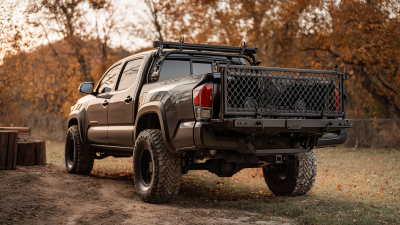
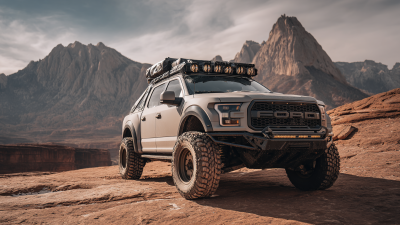
If you're into trucks, you probably already know—having a good Truck Bed Liner is pretty much essential for keeping your ride in tip-top shape. Joe Miller, who’s an expert when it comes to auto accessories over at BedLiner Pros, once told me, “A sturdy liner not only protects your truck bed but can also give you a little boost when it’s time to sell.” That really drives home how worth it it is to pick out a solid, reliable product.
Now, picking out the right Truck Bed Liner isn’t always straightforward. There are a bunch of options—spray-in, drop-in, rubber liners—you name it. Each comes with its own set of pros and cons, and figuring out which one is best for you can sometimes feel overwhelming. I get it—it’s a lot to consider! But honestly, taking the time to choose the right one can save you from some serious headaches and expensive repairs down the road.
Before you make a decision, think about what you actually need. Do you want something super tough against scratches? Or maybe something that’s quick and easy to install? Things like the surface material, texture, and what you usually carry in your truck bed should all play a role in your pick. When you find the right liner, it can really extend your truck’s life and keep it looking good for years to come. But, if you go with the wrong one, it might end up as just a disappointment. Doing a bit of research now really pays off—trust me, your truck will thank you for it.
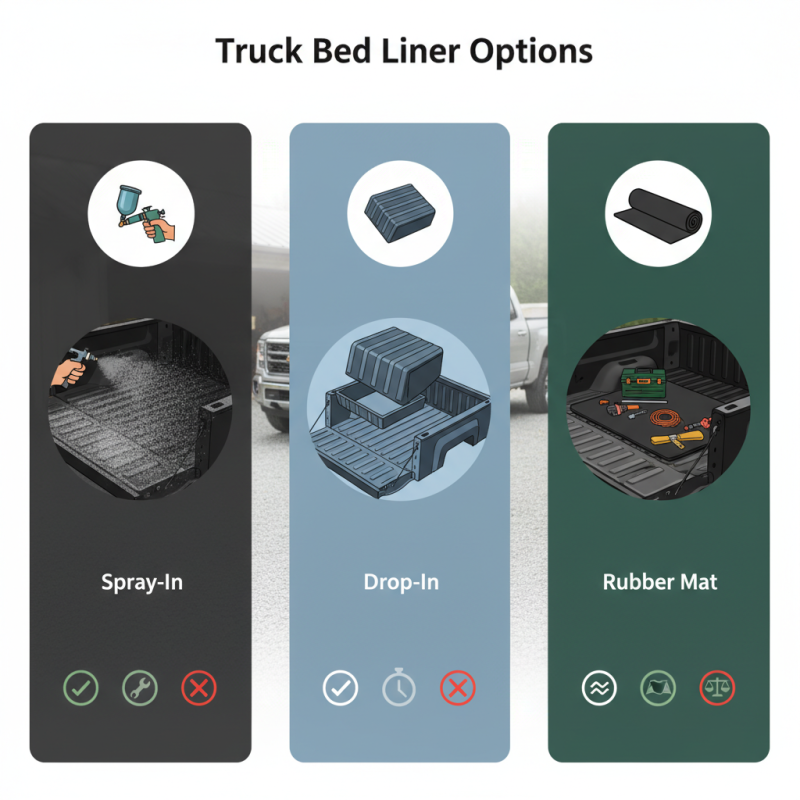
Best Truck Bed Liner Options: An Overview of Protection Types
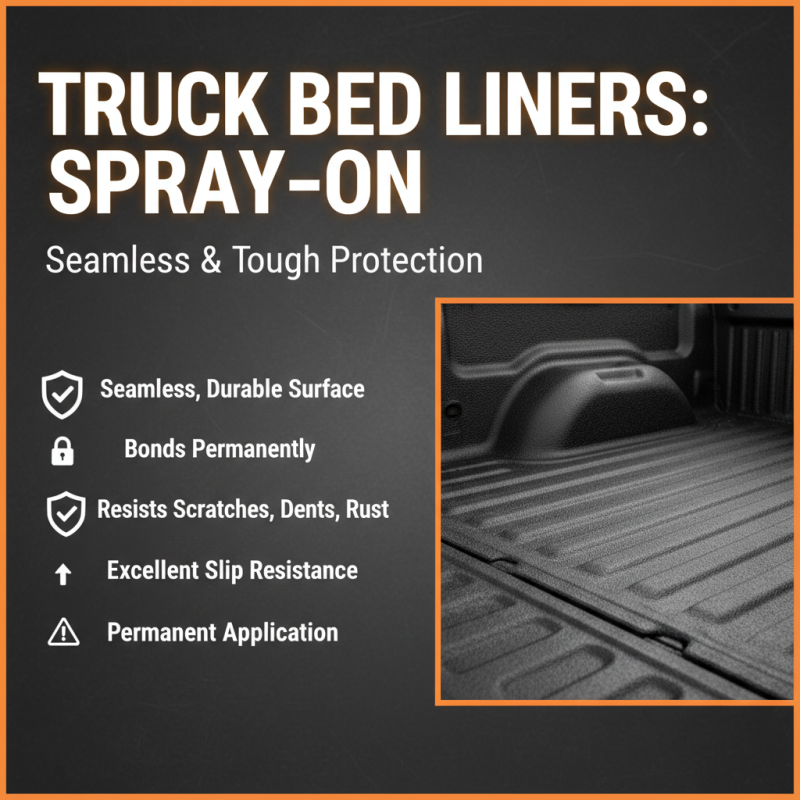
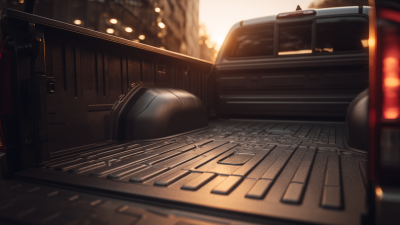
When it comes to protecting your truck bed, understanding the different types of bed liners is essential. Each type offers unique benefits. Spray-on liners create a seamless, durable surface that bonds with the truck bed, shielding it against scratches, dents, and rust. This option often provides excellent slip resistance, making it safer to load and unload materials. However, it can be permanent and may not be ideal for all users.
On the other hand, drop-in liners are removable and easy to install. They provide good protection and can be replaced if damaged. They come in various materials, including plastic and rubber, each with specific benefits. Some users appreciate the flexibility of drop-in liners, while others may find they do not fit perfectly, leading to gaps where debris can collect.
An alternative worth considering is the Dump Truck Liner, specifically designed for heavy loads. These liners are robust and can handle the rigors of tough jobs. They offer added strength and protection, though they may require more frequent maintenance. With various options available, understanding your needs can lead to better protection for your truck.
Understanding Different Materials Used in Truck Bed Liners
When choosing a truck bed liner, the material plays a crucial role in durability and protection. Common options include rubber, plastic, and spray-on liners. According to industry reports, spray-on liners are popular for their custom fit and high resistance to wear. They create a seamless barrier that protects against scratches and corrosion. However, the application requires professional assistance, which can increase costs.
Rubber liners offer flexibility and easy installation, but they may trap moisture and cause rust. Conversely, plastic liners are lightweight and resistant to chemicals. However, they can slide around and provide less grip. Studies show that improper installation of truck bed liners, regardless of material, can lead to damage over time. It's essential to evaluate how your truck usage impacts your choice.
Furthermore, some liners come with additional features like built-in tie-downs or textured surfaces. These can enhance functionality but may also increase weight. For truck owners with a Truck Bed Fuel Tank, ensuring compatibility with the liner is crucial. Not all materials allow for easy access or installation, which can affect overall usability. Assessing the strengths and weaknesses of each type ensures you protect your truck effectively without compromising its practicality.
Comparative Analysis: Spray-On vs. Drop-In Bed Liners
When choosing a truck bed liner, the decision often comes down to two major options: spray-on and drop-in liners. Spray-on liners are applied directly to the truck bed, creating a seamless, protective barrier. This option adheres well to the surface and can offer excellent durability. However, the application process requires professional expertise to achieve optimal results. A poorly applied spray liner can lead to peeling or chipping over time.
On the other hand, drop-in liners are pre-formed plastic or rubber molds that fit into the truck bed. They're easier to install, often requiring just a few bolts. A key advantage is that drop-in liners can be removed for cleaning or if you sell the truck. Unfortunately, they may not fit as snugly, which can lead to moisture collection between the liner and the truck bed. This issue creates a potential for rust and corrosion if not monitored. Consider these factors carefully to find the right fit for your needs.
Best Truck Bed Liner Options for Protecting Your Truck? - Comparative Analysis: Spray-On vs. Drop-In Bed Liners
| Feature | Spray-On Bed Liners | Drop-In Bed Liners |
| Installation Process | Requires professional application or considerable skill. | Easy to install; typically a DIY process. |
| Durability | Highly durable and resistant to scratches and dents. | Moderately durable; can crack under impact. |
| Water Resistance | Excellent water resistance; seals the bed completely. | Good, but may allow moisture and dirt to collect underneath. |
| Weight | Lightweight, does not add much to the overall weight of the truck. | Can be heavy; adds extra load to the vehicle. |
| Cost | Higher initial investment due to application costs. | Generally more affordable but may require replacement sooner. |
| Aesthetics | Customizable finish; can match the truck’s color. | Limited style options; usually a single color. |
| Slip Resistance | Textured surface provides excellent grip. | Varies by brand; some have good grip, others may be slippery. |
Lifetime Cost Analysis: Truck Bed Liners vs. Damage Repair Costs
When considering truck bed liners, understanding their lifetime cost compared to potential damage repairs is crucial. A study indicates that the average cost to repair a truck bed can exceed $1,500. This figure greatly surpasses the initial investment in high-quality liners, which can start from as low as $300 and last for many years. By protecting against scratches, dents, and rust, truck bed liners not only safeguard your vehicle but also preserve its resale value.
When selecting a liner, consider the environmental conditions. For example, exposure to extreme weather can accelerate wear and tear. Choosing a durable liner can save you money in the long run. Additionally, inspecting your Truck Bed Side Rails regularly can help identify early signs of damage. This proactive approach can prevent costly repairs down the line.
Tip: Always opt for a liner that offers warranty coverage. This can provide further assurance and enhance the value of your investment. Regular maintenance checks will ensure that both the liner and your truck remain in optimal condition.
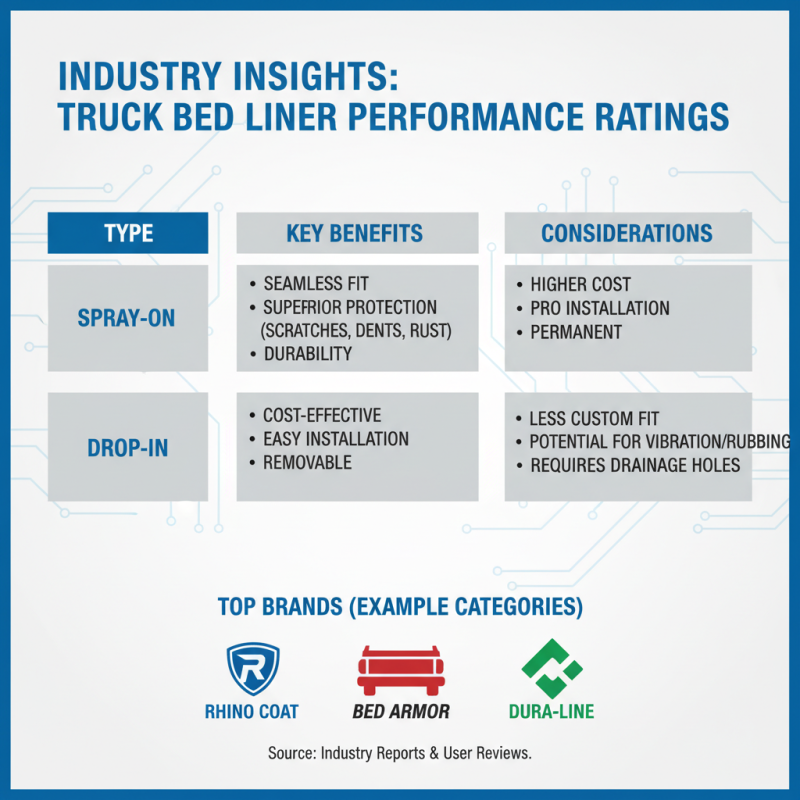
Industry Insights: Performance Ratings of Top Truck Bed Liner Brands
When it comes to selecting a truck bed liner, understanding industry performance ratings is essential. High-quality liners protect your truck from scratches, dents, and rust. Different materials offer various levels of durability, resistance, and overall performance. Many users report that spray-on liners provide a seamless fit. However, these can be costly and require professional installation.
Drop-in liners are a popular alternative. They are easy to install and provide good protection. Yet, gaps between the bed and the liner can trap moisture and lead to corrosion. Users need to consider the pros and cons of each option. Longevity and ease of maintenance are key factors influencing choice. Many buyers prioritize weather resistance, especially for those in harsh climates.
Some brands receive consistent praise for their performance ratings, but not everyone agrees. Reviews vary based on user experience and expectations. Some liners may peel over time, while others stand the test of time. Research and real-world testimonials can guide your decision. Ultimately, finding the right liner involves balancing cost, durability, and the specific needs of your truck and lifestyle.
Installation Processes: DIY vs. Professional Services Explained
When choosing a truck bed liner, the installation process can significantly influence the product's effectiveness. DIY installation is popular among truck enthusiasts. Reports suggest that nearly 40% of truck owners opt for this route. While it can save money, there are challenges. Proper preparation is crucial, such as removing the old liner and cleaning the bed thoroughly. Any leftover debris can lead to improper adhesion, reducing the liner's durability.
On the other hand, professional installation offers advantages. Experts leverage their experience to ensure a perfect fit, enhancing longevity. Nearly 70% of users who choose professionals report higher satisfaction levels. They use specialized tools and techniques that a novice may lack. For instance, precision application of a spray-in liner is essential. This method can create a seamless look, but it requires knowledge of proper curing times.
Both options have merits but come with trade-offs. A DIY project can be rewarding but may result in mistakes. The cost of redoing a poorly installed liner can outweigh initial savings. For a balance, truck owners might consider investing in a Truck Bed Lift System, which can help manage the weight of equipment and facilitate easier access during installation. Thoughtful decision-making in this area will pay dividends in the long run.
Maintenance Tips for Prolonging the Life of Your Truck Bed Liner
Maintaining your truck bed liner is crucial for long-term durability and protection. Regular cleaning helps prevent dirt accumulation. Use a mild soap and water solution to wipe down the surface. Be sure to rinse thoroughly to avoid a slippery residue. A clean liner looks better and performs better over time.
Inspect your truck bed liner frequently for signs of wear. Look for cracks or tears that might develop from heavy use. Stainless steel fasteners can be added to improve stability. Resealing your liner every few years can help it stand up to harsh weather. Neglecting these details often leads to costly repairs.
UV rays can degrade the liner material. Consider parking your truck in shaded areas whenever possible. This small act extends the life of your liner. Remember, ignoring maintenance can lead to more significant issues later on. Regular attention to these factors makes a real difference in performance.
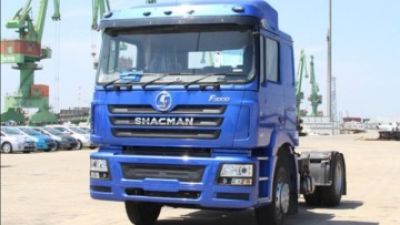
Maximizing Efficiency and Performance with the Shacman F3000 4*2 Tractor Truck: A Comprehensive Overview
The Shacman F3000 4*2 tractor truck is designed to maximize efficiency and performance in the transportation sector, offering a comprehensive solution for various hauling tasks. One of its standout features is the integration of Weichai engines, known for their large-pump capacity, which provides formidable power and high torque. This ensures that the truck can adapt seamlessly to a range of transportation needs, whether in long-distance hauling or navigating challenging terrains.
Additionally, the Fast manual transmission system enhances the driving experience by allowing for smooth gear shifts and high transmission efficiency. Reports indicate that manual transmissions like this one can improve fuel efficiency by up to 15% compared to automatic systems, a critical factor in reducing operational costs for fleet operators. The inclusion of MAN technology axles contributes to the vehicle’s durability and load-bearing capabilities, vital for maintaining reliability under heavy load conditions.
Furthermore, the truck's large-capacity fuel tank enables longer driving ranges without frequent refueling, a significant advantage in logistics where time is often of the essence. Maintenance is also streamlined, thanks to easily accessible parts, which not only minimizes downtime but also supports consistent operational efficiency. The Shacman F3000 4*2 tractor truck exemplifies the advancements in commercial vehicle design that prioritize performance and productivity, aligning with industry trends towards more efficient transportation solutions.
FAQS
: There are spray-on and drop-in liners. Each type has unique benefits for protection.
It creates a durable surface that bonds with the truck bed, offering excellent slip resistance.
Yes, drop-in liners are removable and typically easy to install, offering flexibility for users.
They may not fit perfectly, leading to gaps where dirt and debris can accumulate over time.
DIY installation can save money but requires proper preparation and cleaning for best results.
Professionals ensure a perfect fit and better longevity, often leading to higher user satisfaction.
Regular cleaning, inspections, and resealing can significantly extend the liner's life.
UV exposure can degrade the liner material, so parking in shaded areas is recommended.
Neglecting proper cleaning and preparation can lead to poor adhesion and costly repairs later.
Yes, frequent inspections for cracks or wear can help prevent severe issues down the line.
Conclusion
When it comes to protecting your truck, selecting the right Truck Bed Liner is crucial. This article provides an overview of protection types, exploring various materials used in truck bed liners, including their advantages and drawbacks. It also offers a comparative analysis between spray-on and drop-in bed liners, helping users understand which option might best suit their needs.
Additionally, a lifetime cost analysis is included to weigh the expenses of truck bed liners against potential damage repair costs. Insights into performance ratings of top truck bed liner options give readers an understanding of market standards. The article further explains the installation processes, highlighting the differences between DIY and professional services, while also providing maintenance tips to ensure the longevity of your truck bed liner. By understanding these aspects, truck owners can make an informed decision to enhance their vehicle's durability.